Our Commitment to Environmental Best Practice
We asked hard questions of UK data centres and their impact environmental best practice. Now, we’re putting them to our own suppliers. Read our CEO’s commitment and the questions any buyer can use.
We asked the questions. Now we’re answering them.
Our paper found that the data needed to judge what UK data centres cost the environment doesn’t exist in usable form. Differentis buys cloud and AI services too, so we’re starting with our own supply chain.
Published with Data Centres and Environmental Impact, in collaboration with Sunnyhill Consultants and Mehtadology, October 2026.
Evidence decides. Starting with our own.
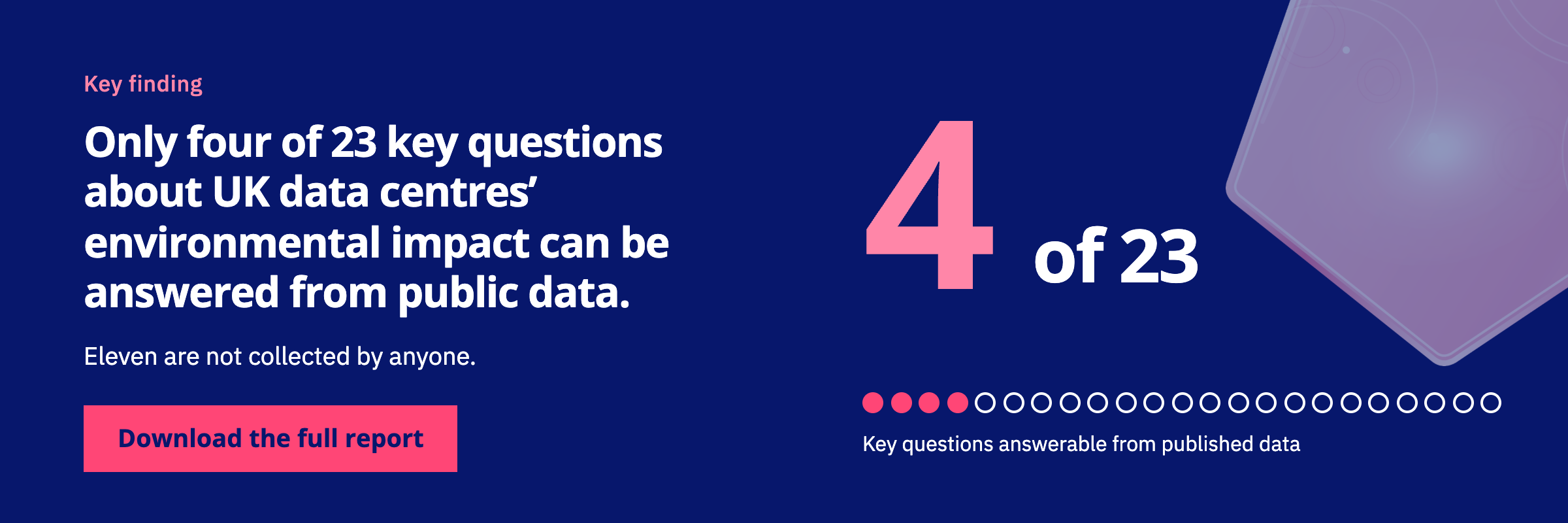
Our paper, written by Dr Jayne Manley, Dr Ashwin Mehta and our Chief Executive, Dave King, found that the data needed to judge what UK data centres cost the environment does not exist in usable form. Of 23 key questions, public data can answer four.
The Budget’s new Data Centre Covenant is aimed at developers, not at the organisations that buy their services. That makes the paper’s sixth recommendation the one any buyer can act on today: require suppliers to disclose the energy, water and carbon behind the AI and cloud services you buy.
Differentis buys those services too. So before we ask anything of our clients, we’re asking it of our own suppliers.
Our commitment to environmental best practice
This paper asks difficult questions about the environmental impact of the technology we increasingly depend on. If we expect clients and suppliers to answer those questions, Differentis has to be ready to answer them too.
Our partnership with Dr Jayne Manley brings environmental expertise and constructive challenge into how we run our business and advise our clients. Writing this whitepaper with Jayne and Dr Ashwin Mehta has reinforced how much remains unknown about the infrastructure behind everyday technology decisions. It has also given us a practical starting point for asking better questions and understanding what evidence we should expect.
We are now putting that into practice, starting with our own technology supply chain.
Dave King, Chief Executive Officer
We will put the questions in this paper to our outsourced technology partners. We want to understand where our services run, how they are powered, what their environmental impact is, and what evidence supports the answers. Where information is missing, we will record the gaps and ask our suppliers to help close them.
During the first half of 2027, we will publish a roadmap setting out how Differentis intends to apply environmental best practice across our own operations and our client work. Developed with Jayne, it will build on our existing ISO 14001 certification and establish practical priorities for our decisions, proposals, and supplier relationships. We will also share our journey along the way, what was difficult, what was surprisingly easy, and what we learnt.
For clients, our focus will be on bringing environmental considerations into strategy, procurement, and transformation decisions from the outset. That means helping leadership teams ask more informed questions, test supplier claims, and weigh environmental impact alongside cost, performance, and resilience. It also means being clear about what the evidence can tell us and where uncertainty remains.
I want us all to be more curious and face our own reality. I want this paper to start an ongoing conversation with clients, suppliers, and business leaders. As Chief Executive Officer, I will take responsibility for turning that conversation into a practical direction for Differentis, and for sharing what we learn as we put it into practice.

Dave King
Chief Executive Officer, Differentis
What we’ve committed to
Ask our own suppliers
We’re putting the paper’s questions to our outsourced technology partners, and recording the gaps where answers don’t exist yet.
Publish our roadmap
In the first half of 2027, developed with Dr Jayne Manley and built on our ISO 14001 certification.
Bring it into client work
Environmental impact weighed alongside cost, performance and resilience, from the start of a decision rather than the end.
We’ll share what was difficult, what was surprisingly easy and what we learnt, on this page.
Our progress so far
Partnership with Dr Jayne Manley announced
Data Centres and Environmental Impact published
Printed editions launched at Gartner IT Symposium/Xpo
The paper’s questions sent to our outsourced technology partners
What our suppliers told us, and the gaps that remain
Our environmental roadmap, developed with Jayne
Last updated: 11 November 2026
The questions we’re asking. Use them too.
These are the questions we’re putting to our own technology partners. They come from the paper’s checklist and our guide for IT buyers. Take them into your next supplier meeting or tender. They’re free to use.
How to use them (three numbered steps, inline):
- Ask every supplier, for every site that hosts your services.
- Write it in. Make disclosure of energy, water, refrigerant and carbon data a contract condition, and give it weight in scoring.
- Keep the answers, so you have a baseline before anyone asks you for one.
Energy
■ Do you report emissions against the real grid, after certificates, or both?
Why it matters: a figure that counts purchased certificates can look far cleaner than the grid the site actually draws on. UK operators don’t have to say which method they use.
■ Is your renewable claim based on new generation you helped to fund, or on certificates from existing generators?
Why it matters: buying certificates from wind farms that would run anyway adds no new clean power.
■ How much of your capacity runs AI, and how will that grow?
Why it matters: the International Energy Agency expects global data centre electricity use to more than double between 2024 and 2030, with AI servers growing fastest. Agents running all day use far more than per-query figures suggest.
Water
■ Which sites host our services, how are they cooled, and are any short of water?
Why it matters: Thames Water estimates that a single large data centre could use 4 to 19 million litres a day, yet no UK data centre has to report its water use.
Where your data runs
■ Where is our data processed, stored and backed up, including outside the UK?
Why it matters: a national register can’t reach sites abroad, and a group-wide sustainability report can hide the site your services run on.
■ Are any of your sites seeking strategic status under the Data Centre Covenant, and what will they report?
Why it matters: strategic sites must report annually on energy and water use, efficiency, emissions and heat reuse. Everyone else is only encouraged to.
Community
■ Is waste heat reused, or could it be?
Why it matters: most UK data centres vent their heat into the air. In Denmark, Stockholm and several German cities, it warms homes through local heat networks.
Lock-in
■ Which refrigerants and cooling fluids do you use, what is their global warming potential, and do any contain PFAS?
Why it matters: some common chiller refrigerants warm the climate around 1,430 times as much as CO2. The EU limit for new chillers from January 2027 is below 750, and Great Britain hasn’t adopted that timetable.
■ How much hardware do you replace each year, and where does it go?
Why it matters: global e-waste reached 62 million tonnes in 2022, and only 22.3% was formally recycled. No UK operator has to say what it replaces.
■ Is each site assessed for hotter summers, drought and flooding over its working life?
Why it matters: a site chosen today has to keep running through decades of climate change, for the life of your contract and beyond.
The rules are being written. The evidence should shape them.
In the UK
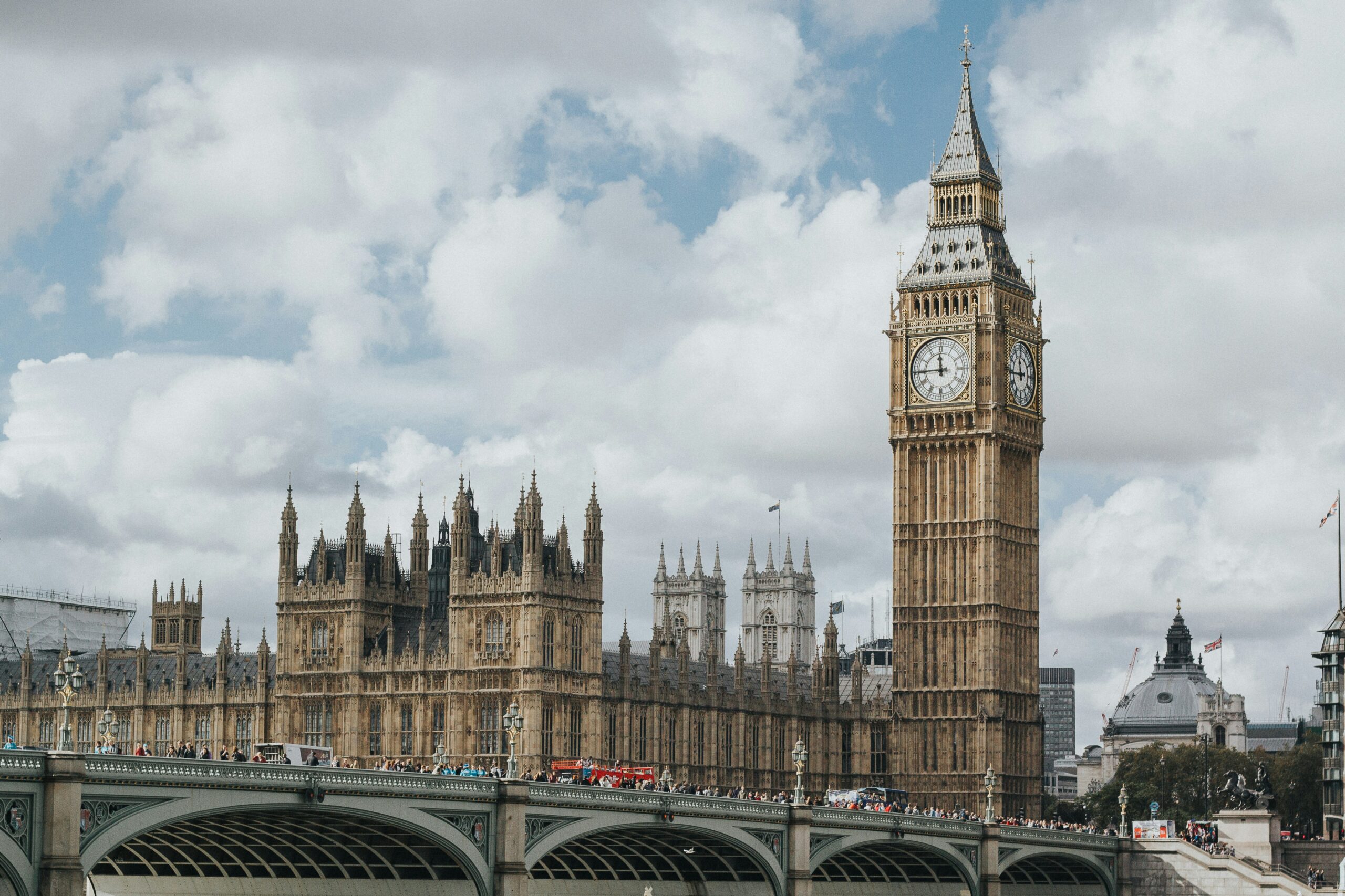
The Budget on 28 October introduced a Data Centre Covenant: faster grid connections and planning support for “strategic” data centres that meet five tests, with everyone else encouraged to follow. “Strategic” hasn’t been defined yet. A draft National Policy Statement for data centres is out for consultation, closing on 8th January 2027.

In Europe
Every EU data centre of 500 kW or more already reports its energy and water use each year, and a public A to G rating is proposed from August 2027.

In the US
In this month’s midterm elections, communities in ten states voted directly on local data centre measures, from moratoriums to energy caps. Voters backed restrictions in all but one. For anyone assuming workloads can simply move offshore, that assumption is getting harder to hold. It is one more reason to ask your suppliers where your data actually runs.
Our partnership with Dr Jayne Manley
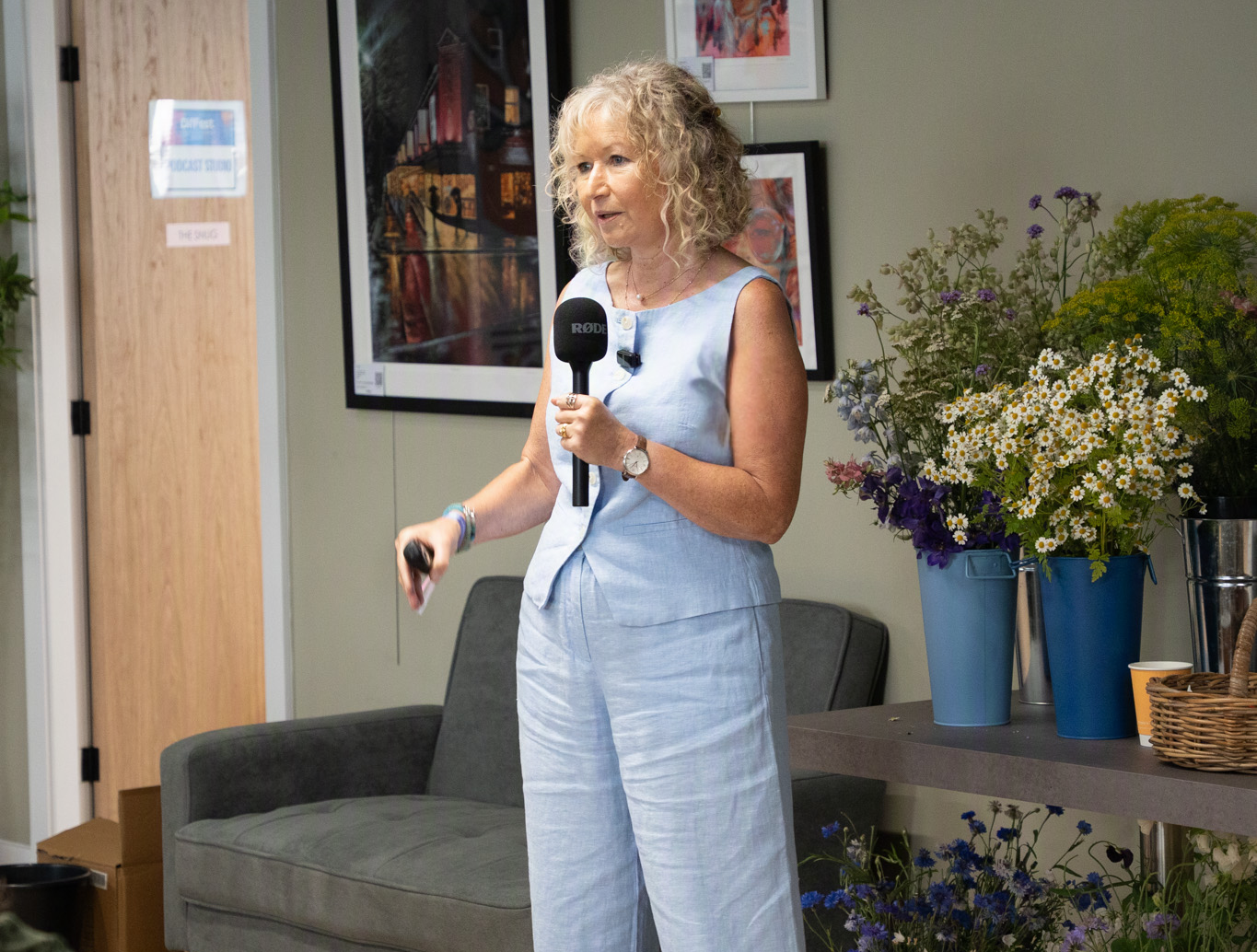
In August 2026, we began working with Dr Jayne Manley, founder of Sunnyhill Consultants and former Chief Executive of Earth Trust, to build environmental best practice into how we run Differentis and how we advise our clients. Jayne brings more than 30 years of senior leadership across government and national charities, and constructive challenge to the decisions we make.
What the partnership has delivered so far:
- Data Centres and Environmental Impact, co-authored with Dr Ashwin Mehta and our Chief Executive, Dave King.
- The commitment on this page, and the questions we’re now putting to our own suppliers.
- The roadmap we’ll publish in the first half of 2027.
“The paper argues that a few early movers, willing to publish their performance, could set the standard for everyone else. Differentis has chosen to start with its own suppliers before asking anything of its clients. That is how evidence starts to change a market: one organisation asking better questions, in public.”
Dr Jayne Manley, environmental strategist in partnership with Differentis
What is Differentis committing to?
To put the paper’s questions to our own outsourced technology partners, record the gaps where answers don’t exist, and publish a roadmap in the first half of 2027, developed with Dr Jayne Manley, setting out how we will apply environmental best practice across our operations and client work.
Is Differentis claiming to be green or net zero?
No. Our paper shows how unevidenced green claims fail, and we won’t make one. We hold ISO 14001 certification for environmental management, and we’ll publish what we find, including the gaps.
Why is a transformation consultancy doing this?
Our clients make decisions about cloud, AI and data every day, and each one now carries an environmental footprint that sits in someone’s supply chain. We can’t help them ask better questions of their suppliers without asking them of ours.
Can we use these questions in our own procurement?
Yes. They’re free to use. Download the checklist, add them to your supplier meetings and tenders, and keep the answers as a baseline.
What is Dr Jayne Manley’s role?
Jayne is an environmental strategist working in partnership with Differentis. She co-authored the paper and is helping us develop the roadmap, bringing constructive challenge to how we run the business and advise clients.
When will you publish the roadmap?
In the first half of 2027. We’ll record progress on this page before then.Description for this block. Use this space for describing your block. Any text will do. Description for this block. You can use this space for describing your block.
Evidence decides. Let’s start with the right questions.
Whether you’re about to sign a cloud contract or rethinking your AI estate, we’ll help you ask your suppliers what sits behind the services you buy.